

This guide explains what a trust is, how trusts work in the UK, the main types of trusts, why people use them, the risks and obligations involved, and how professional support can help ensure trusts are set up and managed correctly.
What Is a Trust?
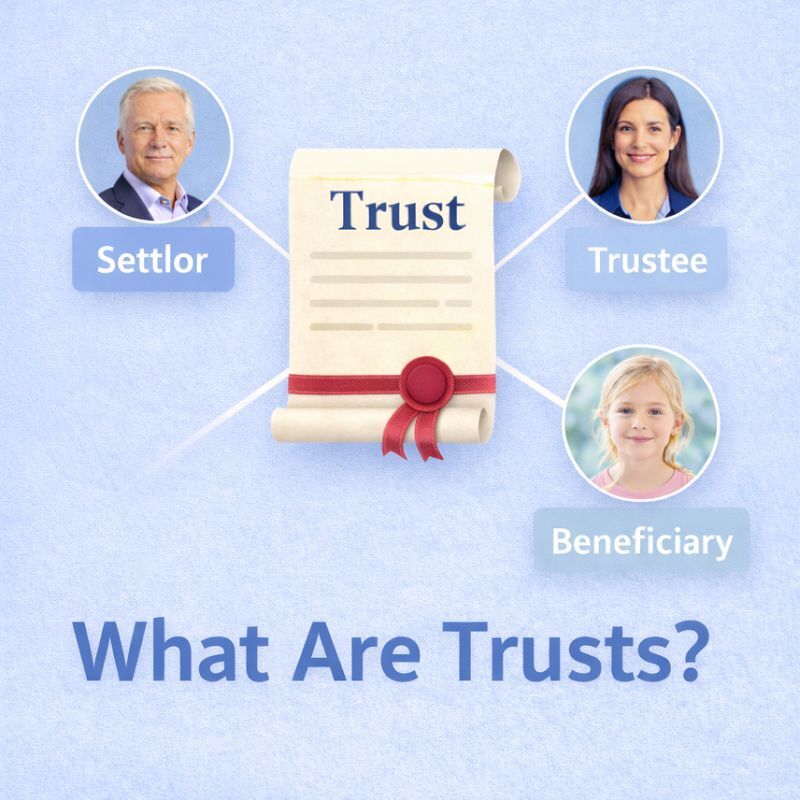
A trust is a legal arrangement where one person (the settlor) places assets under the control of one or more trustees, who manage those assets for the benefit of one or more beneficiaries.A trust separates:
- Legal ownership (held by trustees)
- Beneficial ownership (enjoyed by beneficiaries)
How Does a Trust Work?
When a trust is created:- The settlor transfers assets into the trust
- Trustees take legal responsibility for managing those assets
- Beneficiaries receive income or capital in line with the trust deed
Assets commonly held in trusts include cash, investments, property, shares, and business interests.
Why Do People Set Up Trusts?
Trusts are used for a wide range of personal and commercial reasons, including:- Controlling how and when assets are distributed
- Protecting children or vulnerable beneficiaries
- Supporting estate and will planning
- Reducing family disputes through clear instructions
- Managing business succession and continuity
- Providing structured asset management over time
Main Types of Trusts in the UK
Bare Trust
In a bare trust, the beneficiary has an absolute right to the trust assets and income once they reach the relevant age. Trustees hold assets on behalf of the beneficiary but have limited discretion.This structure is often used to hold assets for children until adulthood.
Discretionary Trust
In a discretionary trust, trustees decide how and when beneficiaries receive income or capital. Beneficiaries do not have automatic entitlement.This type of trust offers flexibility and is often used in family planning where circumstances may change over time.
Interest in Possession Trust
An interest in possession trust gives a beneficiary the right to income from trust assets, while capital may pass to another beneficiary at a later date.This structure is frequently used in wills, for example where a spouse receives income for life and children inherit later.
Trusts Created by a Will
Some trusts are created through a will and only take effect after death. These trusts allow assets to be managed for beneficiaries over time rather than distributed immediately.Trusts vs Wills vs Gifts
Trusts differ from wills and gifts in important ways.A will sets out instructions that apply after death. A gift transfers ownership immediately with limited ongoing control. A trust allows assets to be managed over time under specific rules.
Trusts are often chosen where ongoing oversight, protection, or flexibility is required.
Do Trusts Need to Be Registered in the UK?
Many trusts must be registered with HMRC through the Trust Registration Service (TRS), even if they do not generate tax.Trusts commonly required to register include:
- Trusts liable to UK tax
- Certain non-taxable express trusts
- Some non-UK trusts with UK connections
How Are Trusts Taxed in the UK?
Trust taxation depends on the type of trust and the assets involved. In general, trusts may be subject to:- Income tax on trust income
- Capital gains tax on disposals of trust assets
- Inheritance tax in certain circumstances
What Are the Risks or Downsides of Trusts?
While trusts offer flexibility and control, they also involve responsibilities:- Administrative and record-keeping obligations
- Ongoing compliance and reporting requirements
- Setup and professional costs
- Potential tax complexity if structured incorrectly
How to Set Up a Trust
Setting up a trust typically involves:- Defining your objectives
- Selecting the appropriate trust type
- Choosing suitable trustees
- Drafting a trust deed or including trust terms in a will
- Registering the trust with HMRC where required
- Managing the trust on an ongoing basis
Trusts for Business Owners and International Families
Trusts are often used by:- Business owners managing shareholdings or succession
- Families with assets in multiple jurisdictions
- Individuals seeking structured long-term planning
How Persona Finance Can Help with Trusts
Persona Finance supports individuals and businesses with trust-related planning and compliance by:- Advising on suitable trust structures
- Supporting HMRC trust registration requirements
- Coordinating tax and accounting considerations
- Working alongside legal advisers to ensure consistency
Frequently Asked Questions About Trusts
What is the difference between a trust and a trust fund?A trust is the legal structure, while the trust fund refers to the assets held within it.
Do I lose control of assets in a trust?
Trustees control the assets, but the trust deed determines how they are managed and used.
Can I be a trustee of my own trust?
Yes, although trustees must comply with strict duties and act in the beneficiaries’ interests.
Are trusts only for wealthy individuals?
No. Trusts can be appropriate for a wide range of planning needs, provided they are used correctly.
Next Steps
Trusts can be valuable tools, but only when they are set up and managed properly. If you are considering a trust or already have one in place, Persona Finance can help you review your position, meet compliance requirements, and align trust planning with your wider financial goals.👉 Speak with our team for clear, practical support with trusts and related compliance.